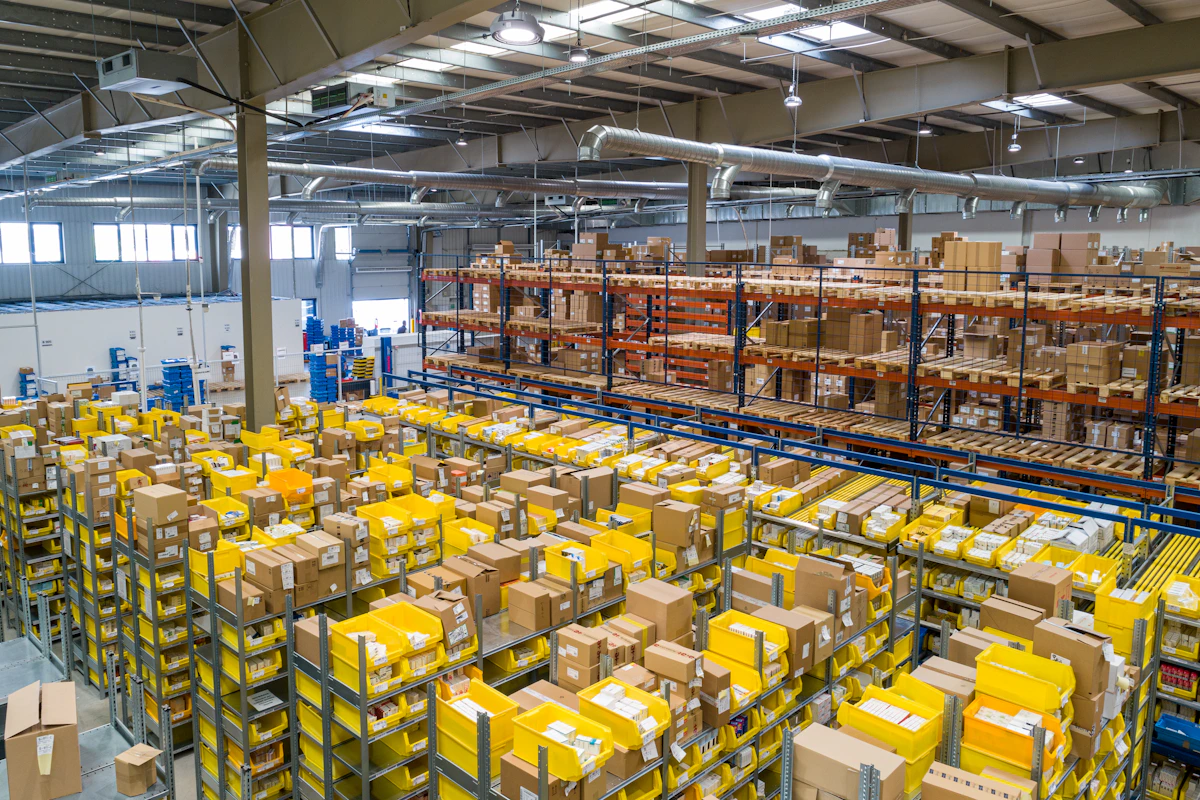
India has approximately 13 million kirana stores. They represent the most resilient distribution network in the world — a system that survived two world wars, multiple recessions, demonetisation, and a global pandemic. They survived because they were embedded in communities in ways that no organised retailer has ever fully replicated: they extend credit, they know what you buy before you do, they will deliver to your door without an app, and they are owned by someone whose children go to school with yours.
And now, for the first time, they face a structural challenge that the previous ones did not pose: the 10-minute delivery model, backed by billions in venture capital, is threatening to disintermediate not just the kirana's sales but the social and logistical infrastructure it has quietly provided for decades.
What Has Actually Changed
Quick commerce — Blinkit, Zepto, Swiggy Instamart, and now Flipkart Minutes — has done something more significant than simply speeding up delivery. It has collapsed the planning horizon of the Indian consumer. When anything you need arrives in ten minutes, you stop maintaining a pantry. You stop planning meals a week ahead. You stop buying in bulk. The entire supply chain architecture of FMCG — which was built on the assumption that consumers would plan — is being stress-tested in real time.
Sources: RedSeer Strategy, AICPDF, Mordor Intelligence 2025
The FMCG distributor body AICPDF reported in 2024 that approximately two lakh kirana stores had shut down as a direct consequence of quick commerce growth. The Competition Commission of India took notice. The government is watching. And every FMCG brand in India is urgently rethinking its channel strategy — because the distributor-stockist-retailer chain that built the industry is under structural pressure for the first time in its history.
The Brand's Real Problem
Most consumer brands entering India in 2024–26 have excellent product development and terrible distribution strategy. They have invested in brand story, packaging design, and Instagram presence. They have not invested in understanding the unit economics of quick commerce, the margin architecture that works across different channel types, or the operational complexity of maintaining freshness and availability across 500 dark stores in eight cities simultaneously.
The failure mode I see most often: a brand launches on Blinkit, achieves strong early sales driven by novelty and discounting, and then discovers that the contribution margin at Q-commerce rates of commission — which run between 18% and 25% of MRP — is deeply negative. They have bought revenue at the cost of sustainability.
"Quick commerce is not a distribution channel. It is an operating model. Brands that treat it like a channel will fail. Brands that rebuild their supply chain, pricing, and SKU architecture around it have a real opportunity."
— Kuldeep Verma, Nexora ConsultingThe Framework We Use with Clients
When advising consumer brands on their channel strategy in this environment, we work through four questions in sequence:
- What is your actual unit economics by channel? Most brands cannot answer this with confidence. Before channel strategy is possible, channel P&L clarity is necessary. This means mapping price realisation, commission structures, logistics costs, returns rates, and working capital requirements for each channel — kirana, modern trade, e-commerce, and Q-commerce — separately.
- Where does your consumer actually shop for your category? Impulse categories — snacks, beverages, personal care — have migrated to Q-commerce faster than planned purchase categories like large appliances or specialty foods. Your channel strategy should follow your consumer's actual behaviour, not the industry's latest enthusiasm.
- Can you build a kirana strategy that complements rather than abandons the traditional trade? The brands winning in India in 2026 are not choosing between kiranas and Q-commerce. They are building hybrid models where traditional trade provides depth of distribution in Tier-2 and Tier-3 markets while quick commerce serves urban impulse demand. The mistake is treating this as a binary choice.
- What is your SKU strategy by channel? The pack sizes, price points, and product variants that work in Q-commerce are different from those that work in kirana. Brands that list their full portfolio on every channel without differentiation create channel conflict and margin compression simultaneously.
What the Kirana Will Become
The kirana is not dying. It is bifurcating. The kiranas that will thrive are those that have adopted digital payment systems, partnered with delivery platforms, and shifted their value proposition toward personalised service, credit extension, and community relationships — things that no app can replicate. The kiranas that will struggle are those offering undifferentiated grocery at a price and convenience disadvantage relative to quick commerce.
For brands, the strategic implication is clear: invest in helping your kirana partners upgrade. The brand that provides digital tools, training, and supply chain support to its traditional trade partners is building a moat that the venture-backed Q-commerce platforms cannot easily dismantle.
The retail transformation is real, it is structural, and it is not fully planned for — by government, by brands, or by the kiranas themselves. The window for thoughtful, proactive strategy is still open. But it is closing faster than most people in the industry are comfortable acknowledging.
Want to discuss this for your organisation?
Nexora works with leadership teams navigating exactly these challenges — from strategy to capability building. Let's have a straight conversation.
Start a Conversation →