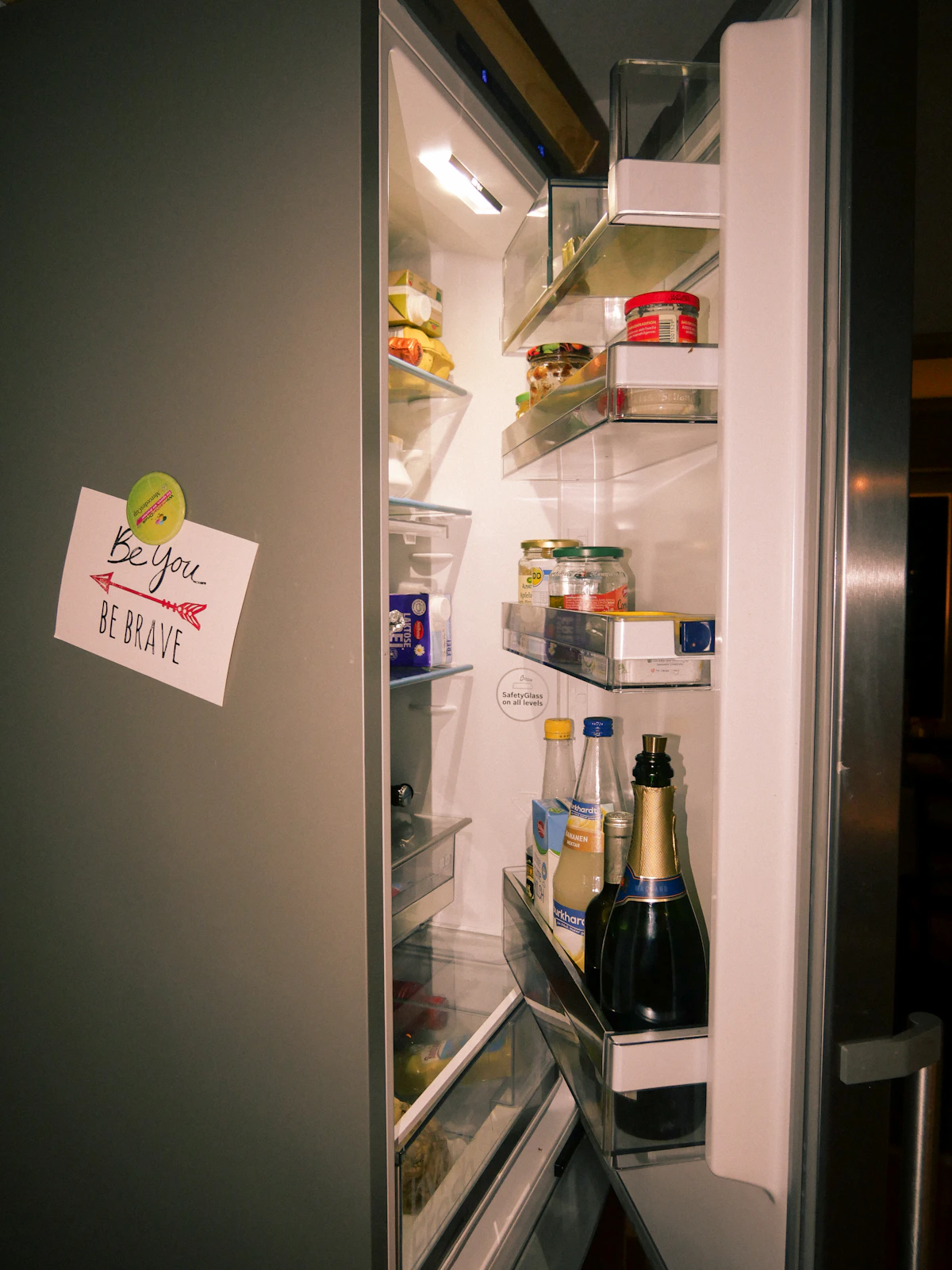
What if your refrigerator ordered groceries before you realised you were out of milk? What if your washing machine knew you had an early flight tomorrow and started the laundry cycle at 2 AM — quietly, efficiently, without being asked? This is not science fiction. It is the direction the home appliances industry is accelerating toward, and the brands and retailers who understand this shift early will define the next decade of the category.
From Products to Platforms
For most of its history, the appliances industry has competed on features — more programmes, better energy ratings, sleeker finishes. But a fundamental shift is underway. The real competition is no longer between appliances. It is between ecosystems. The question is no longer "which refrigerator cools better?" It is "which ecosystem do you want to live inside?"
Amazon, Google, Samsung, and LG are not building appliances. They are building operating systems for the home. When you buy a Samsung refrigerator today, you are buying an entry point into SmartThings. When you install a Google Nest thermostat, you are giving Google visibility into your daily rhythms at a granular level that no survey or focus group could ever match.
"The brands that will lead in appliances over the next decade are not the ones with the best hardware. They are the ones who best understand the household as a data system."
— Kuldeep Verma, Nexora ConsultingWhat Indian Consumers Are Ready For — and What They Are Not
Having spent over thirty years working with consumer brands in India — from LG Electronics to Godrej — I have watched the Indian consumer confound every prediction. We are simultaneously price-sensitive and aspirational. We skip product generations entirely. We adopted smartphones without ever owning a personal computer. And we are now doing something similar with smart home technology.
Urban India — particularly the 28–42 age cohort in Tier-1 and Tier-2 cities — is showing appetite for connected appliances at a rate that is surprising even category veterans. But the purchase trigger is different from the West. Indian consumers are not buying smart appliances because of the intelligence. They are buying them despite the intelligence, attracted by design, status signalling, and energy savings. The smart features come as a discovery — and when they work well, they create fierce loyalty.
The implication for brands and retailers is significant: the in-store and online communication strategy needs to evolve. Leading with connectivity and AI will lose most buyers. Leading with the tangible — save ₹3,000 per year on electricity, see what's in your fridge from your phone — and letting consumers discover the deeper intelligence on their own is a far more effective approach in the Indian context.
The Retailer's Dilemma
For retail channels — large format, exclusive brand outlets, and e-commerce — smart appliances create a structural challenge. The product knowledge required to sell them effectively has increased exponentially. A sales associate who could confidently sell a 5-star AC in 2015 cannot, without significant retraining, sell a smart AC that integrates with a home router, a mobile app, and potentially a solar inverter.
This is where the industry is most underprepared. Training investment has not kept pace with product complexity. The result is that the customer who walks into a store often knows more about the product than the person selling it — a dynamic that erodes trust and pushes the sale to online channels where price becomes the only differentiator.
Three Things That Will Define the Next Five Years
Based on work across the consumer durables sector, here is what I believe will separate winners from also-rans in the smart appliances space in India:
- Ecosystem partnerships over standalone products. Brands that cannot plug into a credible home ecosystem — whether their own or a partner's — will find themselves commoditised.
- After-sales as a revenue stream, not a cost centre. Smart appliances generate data. Brands that build service models around that data — predictive maintenance, consumable replenishment, energy optimisation — will unlock revenue streams that the pure hardware model cannot access.
- Channel capability as a competitive moat. The brand that invests most aggressively in training its retail partners will disproportionately win the in-store moment of truth. In a category where the product cannot fully explain itself, the human behind the counter still matters enormously.
The fridge that knows you better than you know yourself is coming. The question for every brand and retailer in this space is whether they will be ready to sell it, service it, and build a business around it — or whether they will hand that opportunity to someone who was.
Want to discuss this for your organisation?
Nexora works with leadership teams navigating exactly these challenges — from strategy to capability building. Let's have a straight conversation.
Start a Conversation → See the COUNTER Framework →